Oil extends gains as U.S.-Iran stalemate raises supply-risk premium
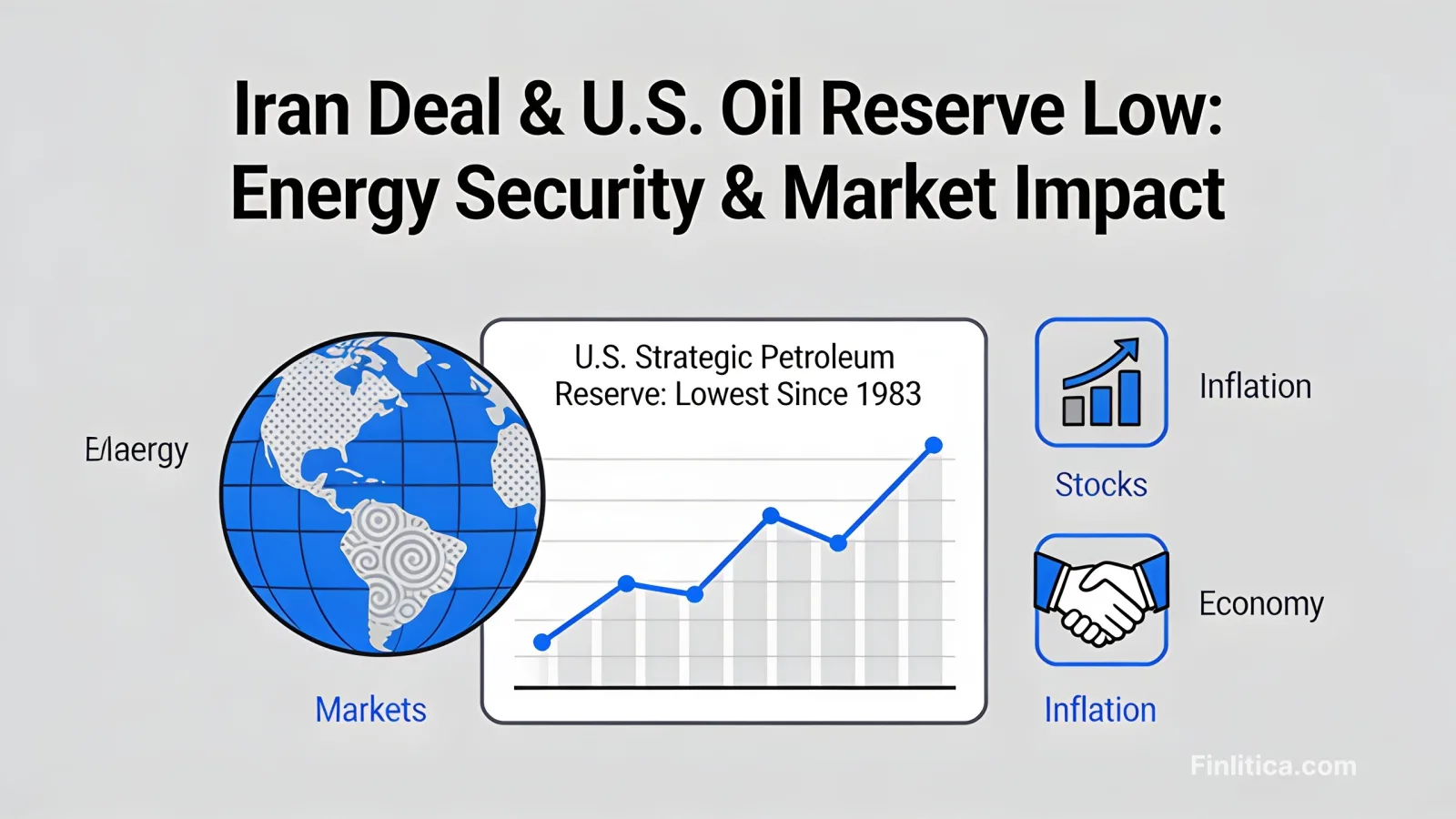
Crude benchmarks climbed after weekend warnings underscored stalled U.S.-Iran diplomacy, reviving concerns over flows through the Strait of Hormuz and the broader inflation path for markets.
Global oil prices advanced as markets digested fresh geopolitical tension between the United States and Iran, with investors pricing a higher risk of supply disruption and a firmer inflation impulse. The move followed weekend warnings aimed at Tehran that highlighted deadlocked talks, shifting attention back to a critical maritime chokepoint and the durability of the recent disinflation trend in markets.
For investors across equities, credit and commodities, the renewed energy bid matters for portfolio positioning, earnings sensitivity to input costs, and expectations for interest-rate trajectories. Benchmark futures rose as traders reassessed the probability of extended supply interruptions alongside still-firm demand, a combination that can reverberate through stocks, inflation-linked assets, and ETF flows.
Why it matters
Energy is a key transmission channel from geopolitics to the economy. Price spikes feed into headline inflation and freight costs, shaping market views on central-bank policy and risk appetite. With talks between Washington and Tehran stalled, the probability-weighted oil risk premium has edged higher, reinforcing focus on supply security and near-term volatility.
What changed vs prior baseline
- Negotiations have stalled: The lack of progress in U.S.-Iran discussions reduces confidence in a prompt de-escalation, lifting the geopolitical premium embedded in crude prices.
- Heightened Strait of Hormuz sensitivity: Markets are re-emphasizing chokepoint risk given weekend rhetoric, after months in which supply routes had remained largely uninterrupted.
- Macro knock-on revived: A firmer oil tape reopens the debate on the near-term inflation path and rate expectations, an angle that had faded amid earlier disinflation prints.
The supply lens: why the route matters
The Strait of Hormuz handles roughly 20 million barrels per day of crude and condensate shipments-about one-fifth of global seaborne oil flows. This single figure is pivotal because even brief disruptions can tighten prompt supply, steepen futures curves, and raise transport and insurance costs across the energy complex.
Iran’s crude output has hovered near 3 million barrels per day in recent quarters. While not all of this volume reaches the open market due to sanctions, changes in Iran’s exportability and regional security can swing marginal supply balances, amplifying price sensitivity when inventories are not building.
A widely cited rule of thumb among central banks and forecasters is that a sustained $10-per-barrel move in oil can add roughly 0.3 percentage points to headline inflation in advanced economies. The magnitude matters because it can influence policy-rate expectations and bond term premia if energy strength persists.
Market implications
Equities
- Energy producers: Upstream names typically benefit from higher realized prices and stronger cash flow, with capital-return frameworks (dividends/buybacks) potentially accelerating if strength endures.
- Energy users: Airlines, chemicals, and select consumer discretionary segments face margin pressure from higher fuel and feedstock costs, which can weigh on earnings guidance.
Credit
- High yield energy: Spreads can compress for better-quality producers with improved free cash flow, while weaker balance sheets may remain sensitive to volatility and hedging coverage.
- Non-energy HY: Cost pass-through uncertainty can elevate spread dispersion, particularly in transportation and packaging.
ETFs and allocation
- Commodity ETPs: Broad-basket and crude-focused products may see inflows as investors seek inflation hedges and event-risk exposure.
- Sector rotation: Allocators could modestly tilt toward energy and defensives if oil strength persists, while growth factor exposures may underperform if rates reprice higher on inflation risk.
Risks and alternative scenario
- De-escalation surprise: Renewed dialogue or third-party mediation could lower the geopolitical premium, pulling crude back and easing inflation concerns faster than expected.
- Demand softness: A negative growth surprise in major economies could blunt oil’s upside by curbing consumption, even if supply risks linger.
- Policy and reserves: Coordinated stock releases-IEA members must hold emergency reserves equal to at least 90 days of net imports-could cushion short-term disruptions and temper price spikes.
- Maritime rerouting: Effective convoy protection and insurance backstops may mitigate shipping delays, narrowing time spreads and volatility.
What to watch next
- Shipping metrics: Any rise in war-risk insurance premia, vessel wait times, or rerouting will signal how much risk is being priced into physical markets.
- Curve shape: A steeper backwardation would indicate tighter near-term supply; a flattening curve could suggest easing risk or softer demand.
- Inflation data: Given energy’s pass-through, upcoming CPI and PPI prints will shape rate expectations and equity factor performance.
FAQ
Why are oil prices rising now?
Prices are reacting to stalled U.S.-Iran talks and weekend warnings that elevate perceived risks to Middle East supply routes. Markets are adding a risk premium to reflect the possibility of more persistent disruptions.
How important is the Strait of Hormuz?
It is a critical chokepoint for about 20 million barrels per day of oil shipments-around a fifth of global seaborne crude. Any impediment can quickly tighten physical balances and raise transport costs.
What is the inflation link?
Energy directly feeds into headline CPI and corporate input costs. A sustained $10-per-barrel increase in crude is often estimated to add roughly 0.3 percentage points to headline inflation in advanced economies, which can affect rate expectations.
Could strategic reserves limit price spikes?
Yes. IEA members maintain emergency reserves equivalent to at least 90 days of net imports. Coordinated releases can offset short-lived supply gaps and moderate volatility.
What does this mean for stocks and ETFs?
Energy producers may benefit from stronger cash flow, while energy-intensive sectors face margin pressure. Commodity-linked ETPs often see inflows when investors seek inflation hedges or exposure to geopolitical risk.
Sources & Verification
-
View sourceCNBC Top Newswww.cnbc.com