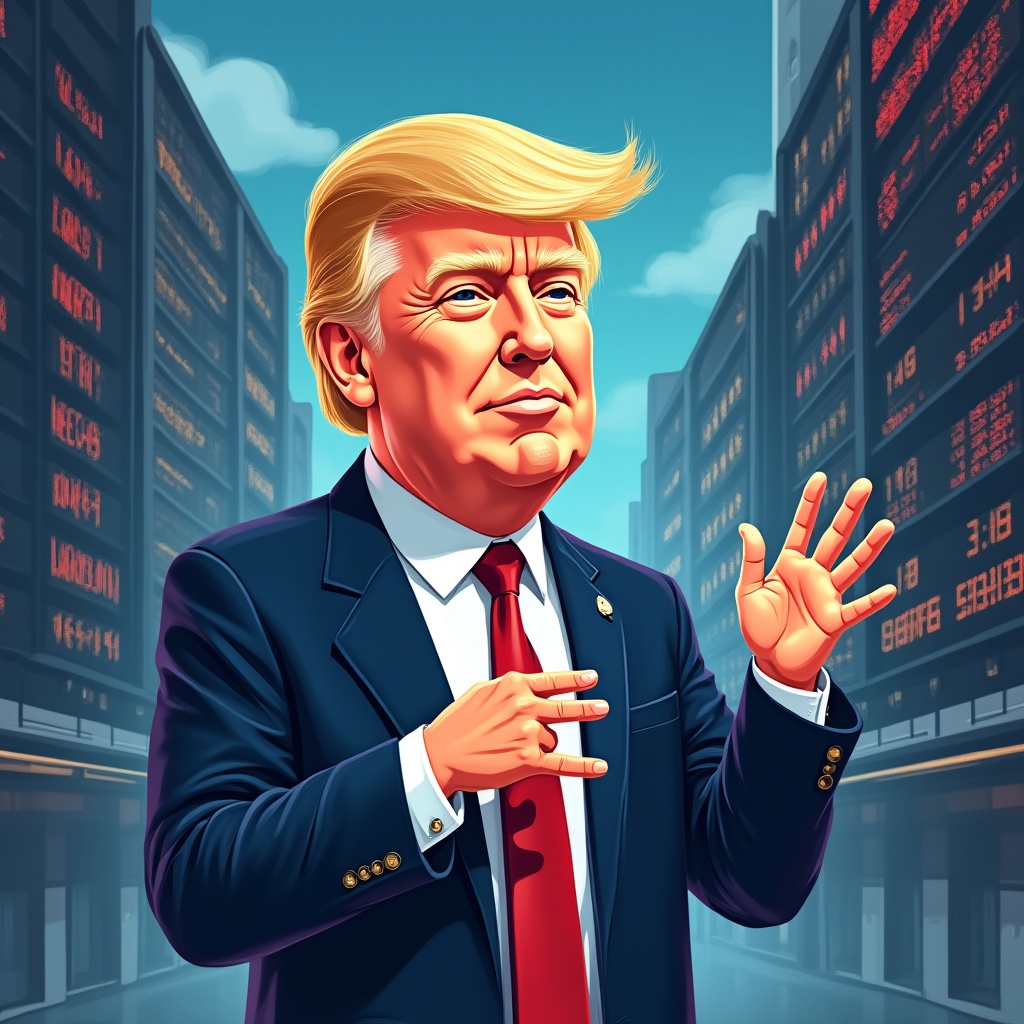
Asia-Pacific stocks climb as Trump signals de-escalation on Iran, easing energy risk
Asia-Pacific markets opened higher after Donald Trump indicated the U.S. would hold off on strikes against Iranian energy infrastructure, reducing near-term geopolitical risk for equities and oil-sensitive sectors.
Asia-Pacific stocks advanced at the open as investors responded to comments from former U.S. President Donald Trump indicating a step back from potential military action against Iranian energy infrastructure. The market move reflects a quick recalibration of risk premia across equities and commodities, with sentiment improving as the probability of an immediate supply shock in oil appears lower. The market, stocks, and broader economy are reacting to a clearer near-term path that reduces the odds of an inflationary oil spike.
Buying interest was visible across at least three key benchmarks in the region—Japan’s Nikkei 225, South Korea’s Kospi, and Hong Kong’s Hang Seng Index—highlighting a synchronized shift in risk appetite. The signal from the 45th U.S. president matters because energy security is tightly linked to inflation and rate expectations, two variables that drive valuation multiples and cross-asset flows. With the calendar now into 2026, fund managers are keen to protect year-to-date gains and reduce drawdown risk from geopolitical shocks.
What changed vs prior baseline
- De-escalation signal: Trump said he would hold off on ordering strikes against Iranian energy sites, reducing the immediate likelihood of a supply disruption that could have lifted crude and pressured stocks.
- Negotiation channel: The shift is tied to ongoing talks, introducing a diplomatic track that lowers tail-risk probabilities versus a baseline of imminent confrontation.
- Regional risk premium: Asia equities typically price in higher volatility during Middle East tensions; today’s firm open suggests a discounting of that near-term volatility premium.
- Sector rotation: Relief in expected energy input costs supports airlines, shipping, and consumer discretionary, while trimming the bid for traditional defensives.
Why it matters
Oil price shocks can transmit to headline inflation and keep policy rate expectations elevated, tightening financial conditions. A perceived reduction in immediate conflict risk helps stabilize equity multiples and supports investing flows into risk assets, including ETFs tracking broad Asia markets.
Market implications
Equity investors
- Cyclical lift: Lower perceived energy risk supports sectors sensitive to fuel and logistics—airlines, autos, and retail—as margin pressures ease.
- Multiple support: Reduced inflation anxiety can bolster price-to-earnings ratios, particularly in growth stocks where discount-rate assumptions are pivotal.
Credit investors
- Spread stability: High-yield Asian corporates tied to transportation and manufacturing may see tighter spreads if oil volatility subsides.
- Default path: Any moderation in input-cost stress lowers the risk of earnings downgrades that could impact covenant compliance.
ETF allocators
- Region-wide beta: Broad Asia and emerging-market ETFs may capture the relief rally across multiple markets in a single trade.
- Sector tilts: Energy-importing sector funds (e.g., airlines and consumer discretionary) could outperform if fuel-cost expectations ease.
What to watch next
- Follow-through in prices: If crude stabilizes or softens over the next 24 hours, the equity bid could persist; a reversal would challenge today’s open.
- Diplomatic cadence: Statements from Washington and Tehran regarding talks will set the tone for risk assets and volatility.
- Inflation expectations: Any shift in breakevens and rate futures will feed back into equity and credit valuations.
Risks and alternative scenario
- Rhetoric reversal: A sharp change in tone or new flashpoints could revive fears of energy infrastructure strikes and reignite oil volatility.
- Negotiation breakdown: If talks stall, markets may reprice a higher probability of supply disruption, pressuring stocks and risk assets.
- Sanctions dynamics: Tighter enforcement could constrain oil flows even without strikes, keeping inflation risk elevated.
- Policy surprise: Central banks may maintain restrictive stances if inflation expectations fail to moderate, weighing on valuations.
- Event risk mispricing: A quick relief rally could underestimate tail risks, leaving portfolios exposed to gap-down moves.
Key numbers in context
- 3 major benchmarks: The Nikkei 225, Kospi, and Hang Seng Index all opened firmer, signaling broad regional participation rather than a single-market move. Breadth matters for ETF flows and regional allocation.
- 45th U.S. president: Markets remain highly sensitive to statements from top U.S. political figures; the office’s influence underscores how one remark can shift cross-asset pricing within minutes.
- 2026 calendar year: With investors managing full-year targets, even short-lived dips in geopolitical risk can trigger tactical repositioning to defend returns and reduce drawdowns.
Strategy takeaways
- Equities: Consider measured additions to energy-intensive cyclicals while maintaining hedges against geopolitical risk.
- Credit: Selectively add exposure to issuers with fuel-cost sensitivity and strong liquidity buffers; avoid weak balance sheets vulnerable to oil shocks.
- ETFs: Use broad Asia and sector ETFs for efficient, diversified expression of a relief trade; set stop-losses to manage headline risk.
FAQ
What moved Asia-Pacific markets today?
Stocks opened higher after Donald Trump indicated he would hold off on potential strikes against Iranian energy infrastructure, lowering immediate geopolitical and energy supply risk.
How does this affect inflation and rates?
If oil-price pressures ease, inflation risks decline, which can soften expectations for higher policy rates. That typically supports equity valuations and credit spreads.
Which sectors stand to benefit most?
Airlines, autos, consumer discretionary, and logistics are potential beneficiaries of lower expected fuel and shipping costs. Defensive sectors may underperform during relief rallies.
What should ETF investors consider?
Broad regional ETFs can capture the rebound across multiple markets, while sector ETFs provide targeted exposure to beneficiaries of lower energy risk. Risk controls remain important given headline sensitivity.
What could derail the rally?
Any breakdown in negotiations, renewed escalation, or oil supply disruption could quickly reverse gains and reintroduce volatility to markets, crypto, and other risk assets.
Sources & Verification
-
View sourceCNBC Top Newswww.cnbc.com