Asia stocks mixed as Iran rules out direct U.S. talks, investors weigh energy and risk
Asia-Pacific markets traded mixed after Iran said it would not hold direct talks with the U.S., sharpening attention on energy risk and policy uncertainty.
Tag
Seeded tag.
Asia-Pacific markets traded mixed after Iran said it would not hold direct talks with the U.S., sharpening attention on energy risk and policy uncertainty.
Jim Cramer argues markets are stronger than many investors acknowledge, citing lower oil prices and a perceived policy backstop as twin supports for risk assets.
Kuwait Petroleum Corp’s CEO says any closure of the Strait of Hormuz would trigger a domino effect across energy supply, prices, and inflation, elevating risks for equities, credit, and shipping.
Commissioner Hester Peirce said the SEC aims to engage with issuers on new ETF ideas tied to crypto and tokenized assets, hinting at a more collaborative tone as the $7 trillion U.S. ETF market explores blockchain-era products.
U.S. stocks extended losses for a fourth straight week as fresh inflation signals and conflict in the Middle East unsettled rate expectations and earnings outlooks. Here are the key themes, what changed, and what it means for investors across equities, credit, and ETFs.
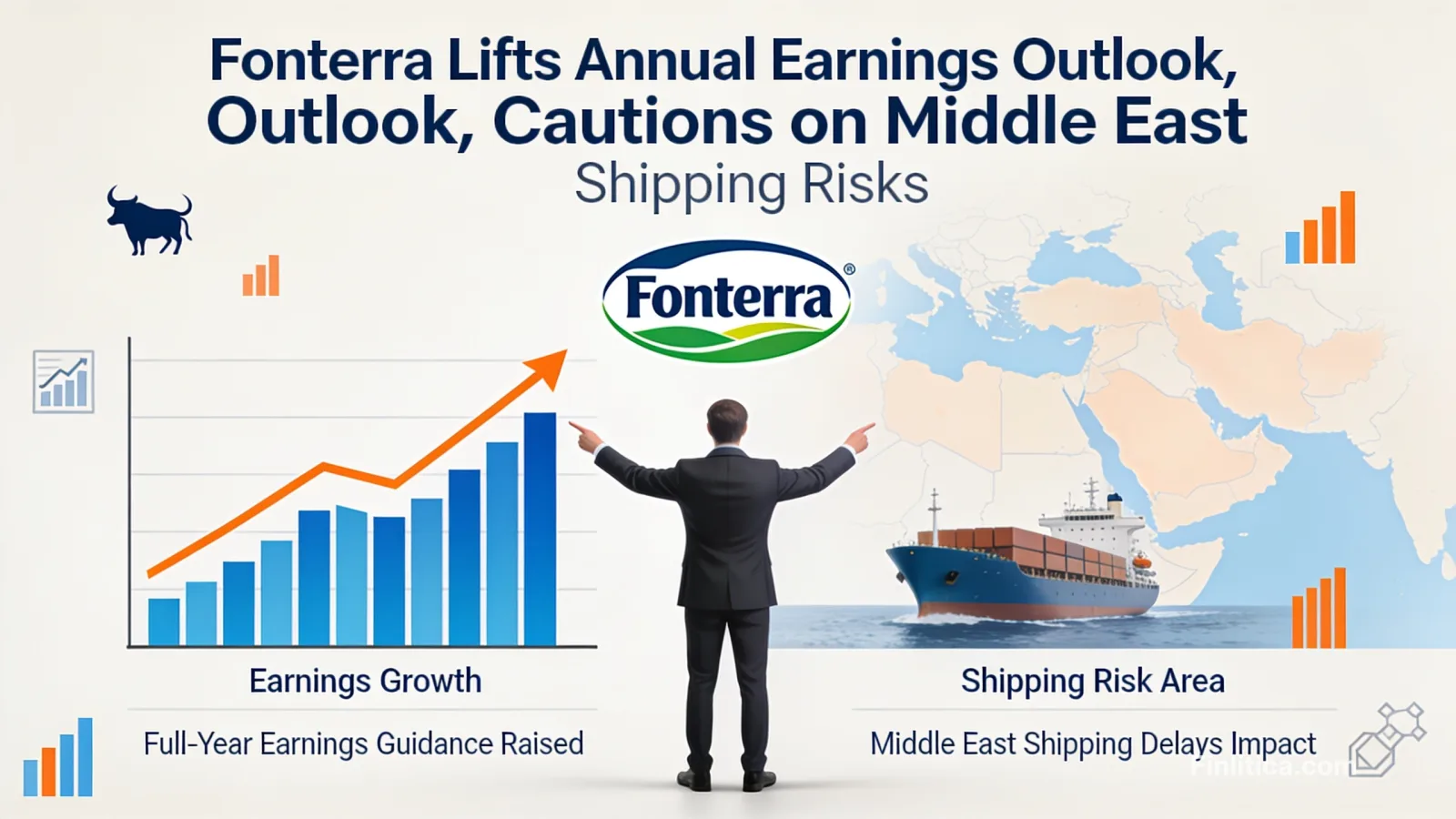
New Zealand’s Fonterra raised its full-year earnings guidance while warning that ongoing Middle East and Red Sea disruptions could affect logistics and demand in some channels.
Saudi Arabia’s equity market closed higher, with the Tadawul All Share Index up 0.55%, reflecting steady risk appetite amid stable oil and rate expectations.
Executives say a brief oil shock is manageable, but warn that a prolonged disruption in the Strait of Hormuz could pressure inflation, earnings and valuations if not contained within weeks.
Asia-Pacific equities fell sharply Monday, with Japan’s Nikkei 225 and South Korea’s Kospi down roughly 4% as renewed U.S.–Iran threats raised fears of supply disruptions through the Strait of Hormuz and a broader risk-off shift across markets.