Asia-Pacific stocks slip as Iran–U.S. talks keep geopolitics front and center
Regional equities opened lower on May 28 as investors weighed headline risk from Iran–U.S. negotiations, energy security, and the next leg for inflation and rates.
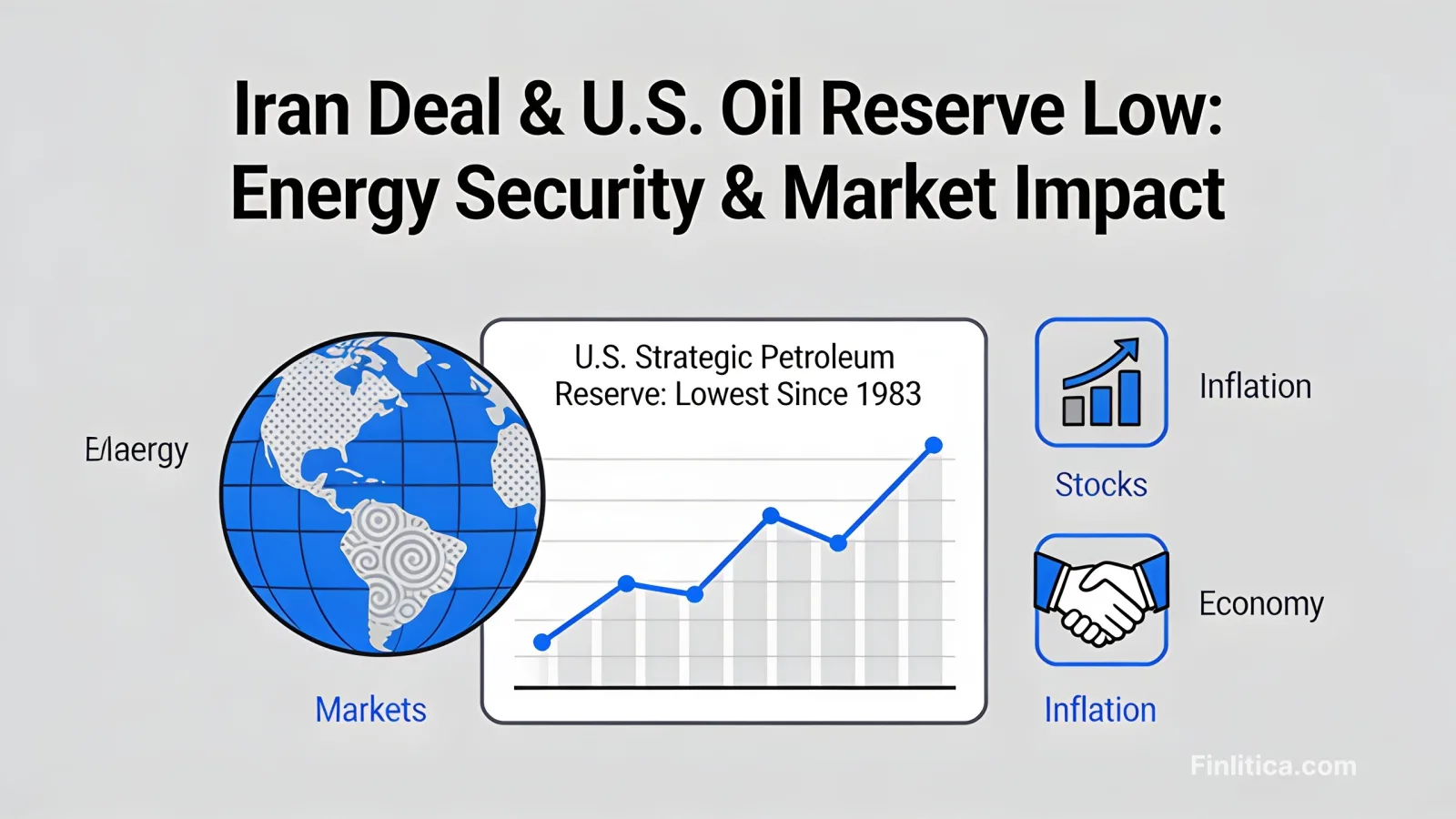
Asia-Pacific stocks opened lower on Thursday as investors prioritized geopolitical headlines over domestic data and earnings. The market tone turned risk-off with Iran–U.S. negotiations in focus, raising questions about energy supply, inflation trajectories, and the path of interest rates-key inputs for equity and credit pricing across the region.
The pullback spanned multiple major benchmarks, including Japan, South Korea, Australia, Hong Kong, and mainland China, signaling a broad-based reaction rather than a single-market story. That breadth matters because it suggests investors are adjusting region-wide exposures rather than rotating within local sectors.
What changed vs prior baseline
- Focus shift: Attention moved from company earnings updates to geopolitical risk, with negotiations between Iran and the United States becoming the near-term driver of market direction.
- Energy sensitivity: Markets re-priced the risk of supply disruption; the Strait of Hormuz handles roughly 20% of global seaborne oil shipments, a chokepoint that can quickly filter into Asia’s import costs and corporate margins.
- Broader participation: Five major Asia-Pacific equity benchmarks opened softer, indicating sentiment deterioration across indices instead of isolated weakness.
- Tighter risk budgets: With month-end approaching on May 31, 2026, portfolio managers appear to be trimming risk to protect monthly performance, reducing appetite for cyclicals and high-beta names.
Market implications
Equity investors
- Sector dispersion: Energy producers may find relative support if crude risk premia rise, while fuel-intensive industries-airlines, logistics, chemicals-face margin pressure.
- Quality tilt: In periods of headline risk, investors often favor balance sheet strength and stable cash flows; expect a tilt toward defensive sectors and high free-cash-flow franchises.
Credit investors
- Spread dynamics: Rising energy costs can weaken coverage ratios for lower-rated issuers, especially in transport and manufacturing, pressuring high-yield spreads.
- Funding windows: Uncertainty can narrow issuance windows; investment-grade borrowers may front-load deals, while weaker credits face higher concessions.
ETF and asset allocators
- Regional rotation: Broad Asia ex-Japan ETFs may see outflows if investors de-risk; country-specific funds with defensive sector weights could outperform.
- Factor exposure: Minimum-volatility and quality-factor ETFs typically gain traction in risk-off spells as allocators prioritize drawdown control.
Why it matters
Geopolitical turns can alter energy prices, inflation expectations, and central bank reaction functions-the core drivers of valuation multiples and discount rates. With the Strait of Hormuz funnelling around one-fifth of global seaborne oil, any disruption risk can ripple quickly through Asia, where import dependency is high and supply chains remain cost-sensitive.
Key numbers to watch
- May 28, 2026: The session date frames the move within month-end rebalancing dynamics, when risk budgets tighten and positioning shifts can amplify market moves.
- Five benchmarks: A synchronous decline across Japan, South Korea, Australia, Hong Kong, and mainland China underscores breadth-important for assessing whether selling is rotational or de-risking.
- ~20% oil transit: The share of global seaborne oil flowing through the Strait of Hormuz highlights why Iran–U.S. developments feed directly into Asia’s energy import costs and inflation outlook.
Drivers behind today’s move
- Negotiation overhang: As talks continue, markets are discounting the risk of either slower oil flows or renewed sanctions pressure, both supportive of higher crude premia.
- Inflation sensitivity: Any sustained oil uptick can complicate disinflation, delaying rate-cut expectations and pressuring duration-sensitive equities.
- Positioning: After a strong year-to-date run in select tech and consumer names, profit-taking into uncertainty becomes a rational response.
Risks and alternative scenario
- Downside-Energy shock: A deterioration in talks that lifts crude prices could compress margins for energy users and widen credit spreads, particularly in high-yield Asia.
- Downside-Risk premium creep: Even without supply loss, a persistent geopolitical premium could cool equity multiples and cap near-term rebounds.
- Downside-Policy ambiguity: If energy-driven inflation rebounds, central banks may maintain restrictive stances longer, dampening growth-sensitive assets.
- Alternative-De-escalation: Constructive signals from negotiations could ease oil premia, aid airlines and logistics, and spark a relief rally in cyclicals and small caps.
How investors are recalibrating
- Hedging: Greater use of index and sector hedges to manage overnight headline risk.
- Barbell positioning: Combining energy exposure (upside to crude premia) with defensives to balance drawdowns.
- Liquidity preference: Preference for highly traded names and ETFs to preserve flexibility around news flow.
FAQ
Why did Asia-Pacific markets open lower today?
Investors are reacting to uncertainty around Iran–U.S. negotiations and their implications for energy supply, inflation, and interest rates-factors that directly affect valuations and earnings.
Which sectors are most sensitive?
Energy producers can benefit from higher oil premia, while fuel-intensive sectors such as airlines, logistics, and certain manufacturers face margin risk. Defensive sectors may attract flows in a risk-off setting.
How could this affect inflation and rate expectations?
If oil prices trend higher due to a risk premium, imported inflation can rise, potentially delaying rate cuts and weighing on duration-sensitive equities and credits.
What should long-term investors consider?
Maintain diversification, avoid reactionary moves to single-day headlines, and focus on balance-sheet quality and pricing power. Hedging and disciplined rebalancing can limit drawdown risk without abandoning core exposures.
Sources & Verification
-
View sourceCNBC Top Newswww.cnbc.com