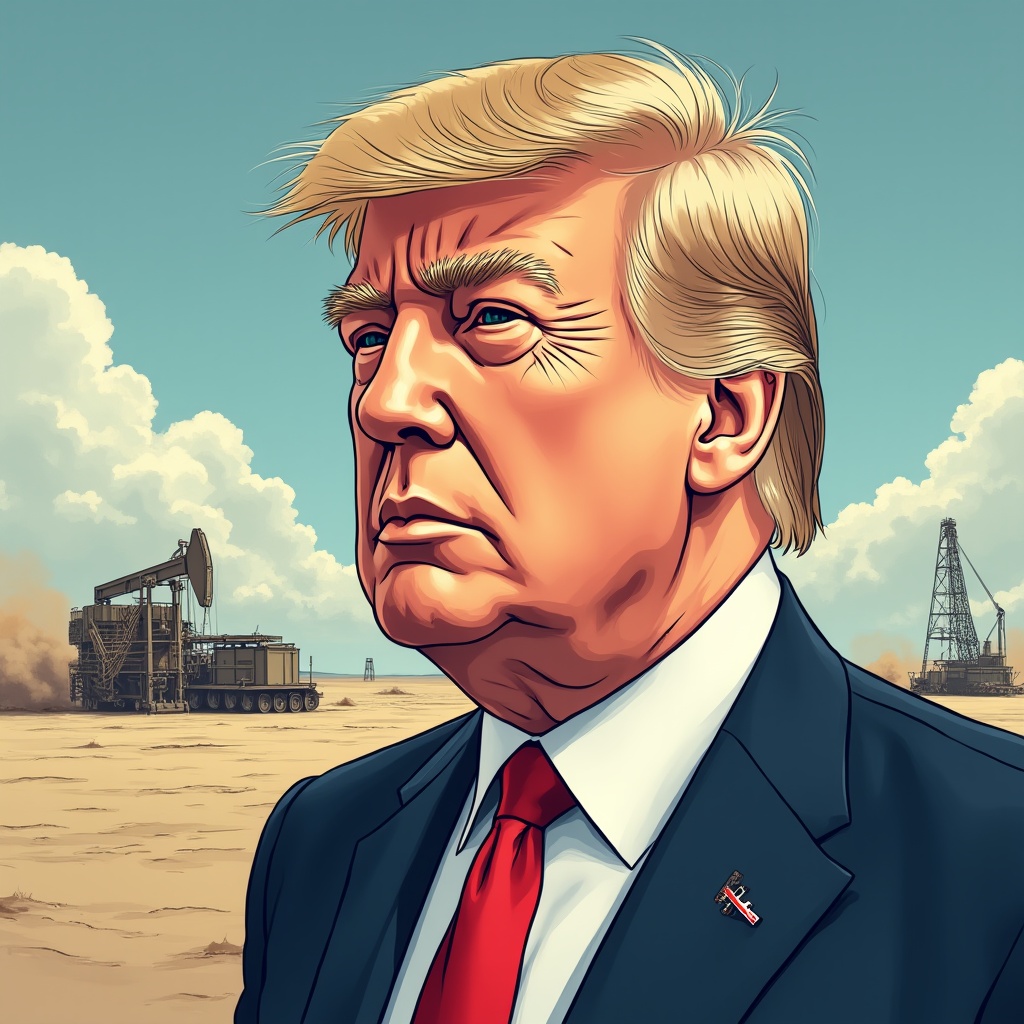
Trump says U.S. struck military targets on Iran’s Kharg Island, spared oil infrastructure
In a Truth Social post, former President Donald Trump said he directed U.S. Central Command to carry out strikes on military targets on Iran’s Kharg Island while avoiding key oil facilities. The statement puts a spotlight on potential market risks tied to energy supply and regional tensions.
Former President Donald Trump said the United States conducted strikes on military targets located on Iran’s Kharg Island and intentionally avoided damaging the country’s oil infrastructure. The claim, made in a Truth Social post, comes as investors assess how new geopolitical tensions could influence the market, energy prices, and broader risk sentiment across global markets.
Trump stated that he directed U.S. Central Command to carry out the operation and that the attacks “obliterated” military sites without disrupting oil export facilities. Kharg Island is a critical hub for Iran’s crude exports, and any perceived threat to its operations can move oil prices, with potential knock-on effects for stocks, inflation, and interest rate expectations.
What Trump said and why Kharg Island matters
In his post, Trump claimed the U.S. limited the scope of the strikes to military targets on Kharg Island and did not “wipe out” energy assets. The comments did not include details such as timing, casualty figures, or official confirmation from the Pentagon in the initial statement.
Kharg Island is home to major loading terminals for Iranian crude. Even without direct damage, military action in or near the area can elevate perceived supply risk, influence shipping insurance rates, and shape short-term price action in oil futures. For markets, the distinction between military and energy infrastructure targeting is central to assessing potential disruptions.
Market context: energy, inflation, and risk appetite
Oil is a key input for the global economy, and price spikes can feed into headline inflation. If traders judge that export capacity remains intact, the immediate impact on crude benchmarks may be limited; however, heightened uncertainty can still increase volatility across commodities and related equities.
For stocks, energy producers often benefit from firmer crude prices, while energy-intensive industries, airlines, and transport may face margin pressure. Sustained oil gains can complicate central bank paths on inflation and policy rate cuts, affecting bond yields and equity valuations.
Key considerations for investors
- Energy supply risk: Any operational disruption on Kharg Island could tighten near-term crude balances.
- Price pass-through: Higher oil can lift transportation and input costs, potentially nudging inflation measures.
- Policy sensitivity: A re-acceleration in inflation could influence rate expectations and discount rates across assets.
- Cross-asset moves: Energy equities may outperform, while rate-sensitive growth stocks can face pressure if yields rise.
- Volatility: Geopolitical headlines can increase short-term swings in oil, currencies, and broader markets.
Sectors and assets to watch
While outcomes depend on verified developments and market depth, investors commonly monitor:
- Energy producers, oilfield services, and midstream operators for revenue and margin sensitivity to crude prices.
- Airlines, logistics, and chemicals for cost exposure to fuel and feedstocks.
- Treasuries and global sovereign bonds for shifts in inflation and rate expectations.
- ETFs tracking energy, broad market indexes, and volatility products for flows and liquidity signals.
- Currencies of oil exporters and importers for terms-of-trade impacts.
Why it matters
Kharg Island’s role in Iran’s oil exports makes it a focal point for energy markets. Even targeted military activity near the site can influence risk premia in crude, which in turn shapes equity performance, inflation readings, and rate path expectations. Clear separation between military targets and oil infrastructure, if sustained, would reduce the risk of supply disruption but not necessarily eliminate market volatility.
What could come next
Investors will look for official confirmation and details from U.S. defense authorities and regional actors, as well as any indications of follow-on actions. Market participants typically track satellite imagery, shipping activity, and refinery runs to gauge real-world impacts on supply.
Until there is more clarity, positioning may reflect a premium for geopolitical risk, with the potential for rapid repricing as facts emerge. Risk management, including position sizing and hedging, remains central when trading around headlines.
FAQ
What did Trump claim?
Trump said he directed U.S. Central Command to execute strikes that destroyed military targets on Iran’s Kharg Island while avoiding oil infrastructure. The post did not provide further operational details.
What is Kharg Island?
Kharg Island is a key export terminal for Iranian crude oil. It houses major loading facilities and storage, making it pivotal to Iran’s energy shipments.
Were oil facilities hit?
According to Trump’s statement, oil infrastructure was not targeted. Independent verification and official defense updates are needed to confirm the scope and effects.
How could this affect markets and stocks?
Perceived risk to oil supply can lift crude prices, supporting energy equities while pressuring fuel-intensive sectors. If oil prices rise materially, it can influence inflation readings and interest rate expectations, affecting valuations across markets.
What should investors watch?
Look for corroborating official statements, any changes to shipping flows from Kharg Island, moves in crude futures and spreads, and sector performance. ETFs tied to energy and broad indexes can signal shifts in investor positioning.
Could this impact inflation and interest rates?
Higher oil prices can pass through to inflation over time. If inflation expectations firm, central banks may adjust the path for policy rates, which can influence bond yields and equity risk premiums.
Does this affect crypto or other alternative assets?
Geopolitical risk can affect broader risk appetite. While crypto markets trade on their own dynamics, periods of volatility in traditional assets sometimes coincide with swings in digital assets as liquidity and sentiment shift.
Sources & Verification
-
View sourceCNBC Top Newswww.cnbc.com