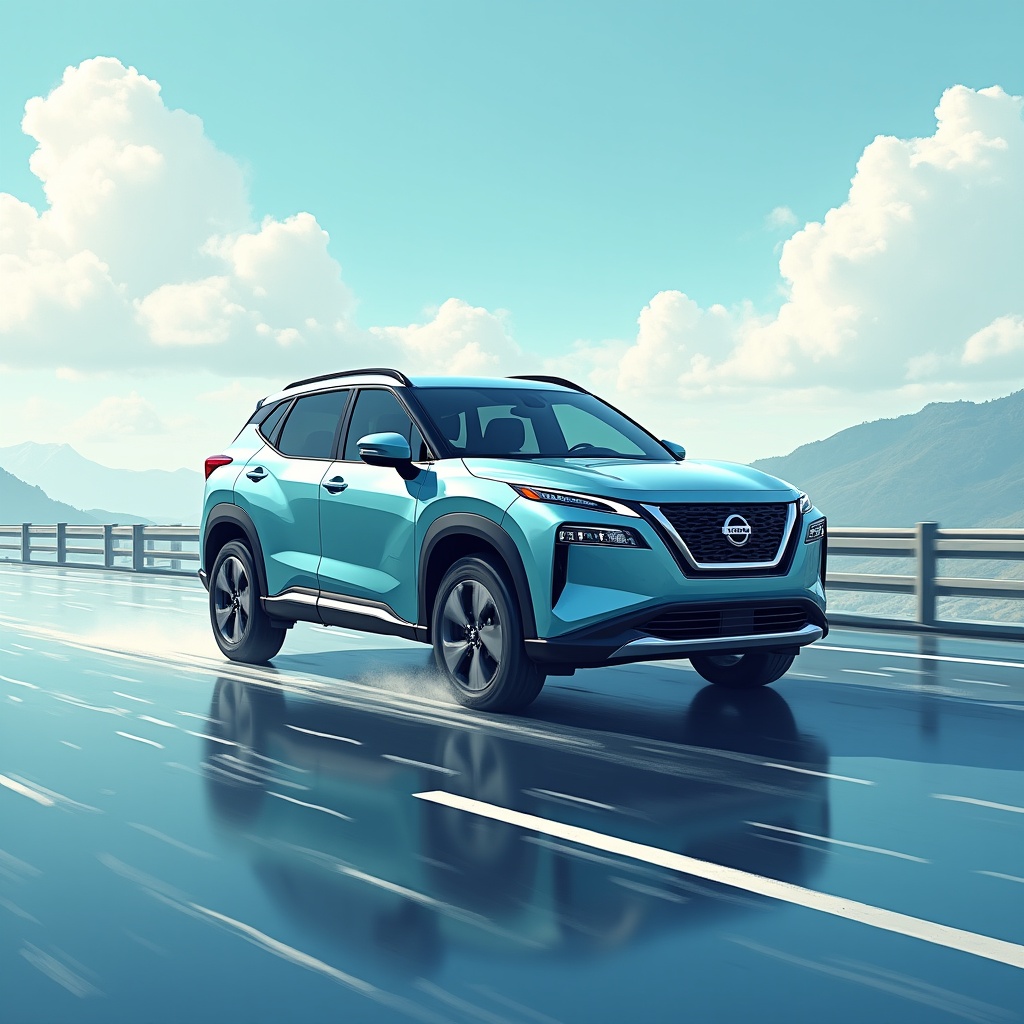
Nissan brings series-hybrid drivetrain to U.S., aiming to reshape the hybrid playbook
Nissan will introduce its series-hybrid system to the U.S., delivering EV-style driving powered by a gasoline engine acting as a generator. The move could influence automaker strategy, supply chains, and investor positioning across autos and energy.
Nissan is set to introduce a series-hybrid system to the U.S. market that delivers electric-motor driving while a gasoline engine works primarily as a generator. The technology—long sold overseas—arrives as automakers recalibrate product plans in response to mixed EV adoption, shifting consumer demand, and capital market scrutiny. For markets watchers, the launch signals how legacy manufacturers may diversify powertrains to manage costs, margins, and regulatory compliance without abandoning electrification.
The series-hybrid format differs from common U.S. hybrids by letting the electric motor drive the wheels most or all of the time, with the engine chiefly providing electricity. Nissan’s move offers an additional path between conventional hybrids and full battery EVs, aiming to reduce fuel use and deliver EV-like smoothness without the need to plug in.
What changed vs prior baseline
- Nissan’s U.S. lineup expansion: The company is bringing its series-hybrid architecture—commercialized abroad since 2016—into a key market in 2026, broadening choices beyond conventional hybrids and full EVs.
- Powertrain mix flexibility: The addition provides an alternative compliance route for emissions and fuel-economy targets as EV sales growth normalizes, giving planners another lever to manage inventory and pricing.
- Consumer value proposition: EV-style acceleration and quiet operation arrive without home charging, which could appeal to households without reliable access to chargers.
- Dealer positioning: A new electrified option may help retailers capture shoppers who are hybrid-curious but not ready for a plug-in—potentially supporting throughput and trade-in cycles.
How Nissan’s series hybrid works
In a series hybrid, the electric traction motor propels the vehicle, while a gasoline engine operates mainly as an on-board generator to keep a small battery charged. This is distinct from parallel hybrids, where the engine can mechanically drive the wheels, and from plug-in hybrids, which have larger batteries designed for charging from the grid.
- One primary traction motor drives the wheels, simplifying the feel to behave like an EV; this matters because it standardizes torque delivery and can lower drivetrain complexity versus multi-gear setups.
- No external charging port means zero dependence on public charging; this reduces adoption friction for drivers who lack home charging or face range anxiety.
- The architecture targets steady-state engine operation at efficient load points, which can cut fuel use and noise—important for real-world city and suburban driving cycles.
Key numbers to watch
- 2016: The year Nissan’s series-hybrid system first went on sale in Japan. This track record matters because multiple model years of field data can de-risk reliability perceptions for U.S. buyers and fleet managers.
- 1: The number of traction motors that deliver drive to the wheels in typical series-hybrid layouts. A single electric drive unit simplifies the user experience—instant torque and smooth acceleration—supporting the EV-like value proposition.
- 0: The number of required charging sessions from the grid. Eliminating plug-in needs lowers total cost of ownership for households without Level 2 access and reduces infrastructure dependencies for fleets.
Why it matters
The U.S. auto market is navigating a multi-speed electrification path. By adding a series-hybrid, Nissan broadens electrified options in a segment where buyers weigh fuel economy against upfront cost and charging access. For investors, the move reflects a pragmatic approach to meeting emissions goals while balancing capital intensity and inventory risk.
Market implications
Equity investors
- Margin mix: Series hybrids can utilize smaller batteries than BEVs, potentially reducing bill-of-materials volatility tied to battery metals and helping stabilize gross margins if volumes scale.
- Share capture: Offering EV-like driving without charging may defend share in high-volume segments where BEVs face infrastructure bottlenecks, supporting revenue resilience through the cycle.
Credit investors
- Capex cadence: Diversifying powertrains can smooth capital outlays versus an all-in BEV push, potentially supporting free cash flow and leverage metrics during demand transitions.
- Regulatory buffer: Additional compliance pathways for fleet-average targets may limit fines and protect liquidity under tighter emissions rules.
ETF and sector allocation
- Autos and components: Funds with legacy OEM exposure gain from a broader electrification toolkit, while suppliers tied to electric motors, power electronics, and compact engines could see incremental demand.
- Energy and materials: Gasoline demand impact is modest on a per-vehicle basis, but scaling hybrids could shift near-term expectations for charging infrastructure plays and certain battery material exposures.
Product positioning and buyers
Nissan’s U.S. debut is expected in a mainstream model, targeting households that want better fuel economy and quieter operation without changing daily refueling habits. For urban drivers, series-hybrid behavior—electric drive at low speeds with the engine running more efficiently in the background—can translate to smooth stop-and-go performance.
Fleet operators may also evaluate the format for duty cycles ill-suited to frequent charging or routes where infrastructure upgrades are delayed. The ability to refuel in minutes with gasoline preserves uptime and route flexibility.
Risks and alternative scenario
- Fuel-price sensitivity: If gasoline prices decline or remain stable, the payback from improved efficiency may lengthen, reducing urgency for some buyers.
- Policy volatility: Changes in federal or state incentives, emissions targets, or testing procedures could alter the comparative advantage of series hybrids versus conventional hybrids and BEVs.
- Consumer education: Misunderstanding the difference between series, parallel, and plug-in hybrids could slow adoption; clear dealer messaging is essential.
- Competitive response: Rival automakers may accelerate hybrid offerings or discount BEVs, pressuring pricing power and mix.
What to watch next
- EPA fuel-economy and emissions ratings once certified, which will determine real-world cost-of-ownership gains.
- Trim and pricing strategy to see whether Nissan positions the series hybrid as an upgrade over base gasoline models or as the volume mix.
- Supplier disclosures on motors, inverters, and battery packs that could indicate scale economies and margin potential.
FAQ
How is a series hybrid different from other hybrids?
In a series hybrid, the electric motor drives the wheels, and the gasoline engine mainly generates electricity. In many parallel hybrids, the engine can drive the wheels directly. Plug-in hybrids add a larger battery that you recharge from the grid.
Do I need to charge it?
No. A series hybrid is fueled with gasoline and does not require external charging. The engine and regenerative braking keep the battery supplied.
Will it feel like an EV?
Acceleration and low-speed behavior are EV-like because the traction motor powers the wheels. Engine operation is typically optimized for efficiency and may be more noticeable under high load.
When will it arrive in the U.S.?
Nissan plans a U.S. launch in 2026, following several years of sales of the technology in overseas markets.
Is this the same as a range-extended EV?
Functionally similar: the engine primarily acts as a generator for the electric drive. However, unlike many past range-extended EVs, this system is not designed for external charging.
Sources & Verification
-
View sourceCNBC Top Newswww.cnbc.com