Pocket Option Demo: How to Practice Binary Options Trading Safely
Learn how to use the Pocket Option demo to practice binary options trading in a risk-free environment. Discover key features, setup steps, realistic practice tips, risk controls, and answers to common questions before considering live markets.
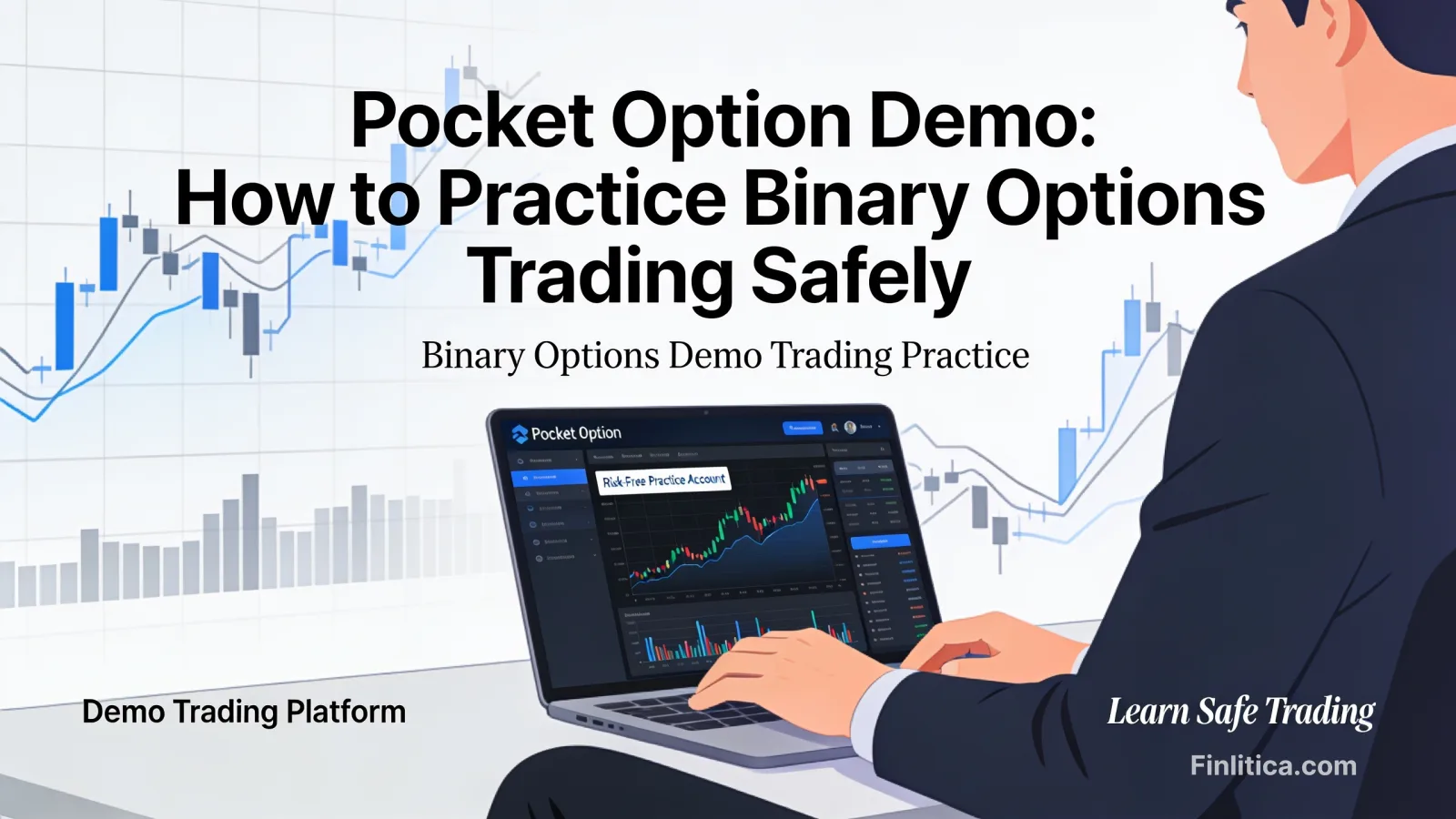
The Pocket Option demo is designed to help new and experienced traders explore the platform, test strategies, and build confidence without risking real funds. In a simulated environment that mirrors live market conditions, you can practice entries, expirations, and risk controls, so that when you later consider real trading, you do so with a clearer plan and measured expectations.
What Is the Pocket Option Demo?
A demo account is a simulated version of the trading platform that uses virtual funds. It typically mirrors the interface, charts, order types, and many of the market data features you would see when trading live. Because the balance is virtual, you can rehearse decision-making, learn the platform’s workflow, and evaluate whether a given approach fits your risk tolerance and schedule.
While demos aim to reflect live conditions, they cannot fully replicate real-world factors such as slippage during volatile moves, emotional pressure, or regional access rules. Treat demo results as educational indicators rather than predictions of future outcomes.
Key Benefits of Practicing With a Demo
- Platform familiarity: Learn chart layouts, add indicators, and understand order placement before you place any real trades.
- Strategy testing: Validate entry and exit rules across different time frames without financial exposure.
- Routine building: Develop a pre-trade checklist, risk parameters, and journaling habits.
- Error tolerance: Make mistakes, stress-test ideas, and refine tactics using virtual funds.
Core Features You’ll Typically Find
- Virtual balance: Practice with simulated capital that can often be reset to continue experimenting.
- Charting and tools: Candlesticks, time frames, drawing tools, and popular indicators.
- Asset access: A selection of instruments (for example, major currency pairs, some commodities, indices, and selected digital assets) may be available, varying by region and time.
- Order controls: Simple trade placement with chosen direction and expiration times consistent with the platform’s offering.
- Session flexibility: Practice during different market sessions to experience varied volatility conditions.
How to Get Started
1) Open and configure the demo
Create your demo profile and confirm you are in the simulated environment. Set your chart theme, time zone, and preferred time frames. Add indicators you plan to use consistently so your layout reflects your future process.
2) Define a simple test plan
Before placing trades, write a brief one-page plan that includes: market(s) you will practice, indicator rules (if any), entry and exit logic, session times, and maximum daily practice trades. Keep it simple to start.
3) Set risk boundaries
Even with virtual funds, adopt realistic limits. For example, cap virtual risk per position and per session so results translate better to a potential live approach. This helps avoid unrealistic habits that demos can accidentally encourage.
4) Journal every decision
Record entries with screenshots and brief rationales. Note whether the trade matched your rules. Over time, this journal becomes your feedback loop, revealing which patterns or times of day fit you best.
5) Review weekly
Summarize the week’s trades: win/loss breakdown, rule adherence, largest drawdown, and any recurring mistakes. Decide what to keep, adjust, or remove from your plan.
Realistic Practice Tips
- Treat virtual funds as if they were real: Use sizes you would actually consider in live conditions.
- Limit frequency: A modest number of high-quality setups beats constant impulse trading.
- Practice one change at a time: If you adjust an indicator or rule, keep everything else stable for cleaner feedback.
- Simulate distractions: Practice during your real schedule. If you can’t monitor short expirations reliably, consider longer ones in demo.
- Track conditions: Note whether trades occurred during trend, range, news, or low-liquidity periods.
Common Mistakes to Avoid
- Overconfidence from demo results: Performance without emotional and financial pressure is not the same as live trading.
- Unrealistic position sizing: Oversizing in demo can lead to poor habits that don’t translate safely later.
- Ignoring costs or constraints: Execution realities, spreads, and availability can differ by region and session.
- Strategy hopping: Making multiple changes at once obscures what truly drives results.
Building a Structured Demo Strategy
Choose a core market and time frame
Pick one or two instruments and a time frame that suits your availability. Focusing reduces noise and accelerates learning.
Define objective entry criteria
Use repeatable conditions such as support/resistance confluence, momentum confirmation, or strict indicator crossovers. The goal is consistency.
Specify expiration logic
Align expiration with the pattern’s expected duration. For example, if your setup typically resolves within several candles on a given time frame, size the expiration accordingly.
Outline invalidation rules
State exactly when a setup is no longer valid-such as a break beyond a key level or a change in market structure. Avoid discretionary overrides.
Quantify risk and exposure
Cap cumulative exposure per session and pause after a predefined number of losses. This encourages discipline and clearer data for review.
Evaluating Your Progress
- Rule adherence rate: Percentage of trades that fully met your plan’s criteria.
- Session outcomes: Which market hours produce cleaner signals for your approach.
- Drawdown behavior: How quickly losses accumulate and how you respond.
- Trade distribution: Frequency by setup type; consider pruning low-quality categories.
Objective, rules-based assessment is more useful than focusing on short-term outcomes. A sequence of well-executed trades-even with mixed results-can be a sign your process is improving.
From Demo to Live: A Cautious Transition
If, after consistent demo practice, you consider live trading, transition gradually. Maintain the same rules, time frames, and risk levels (scaled appropriately). Start small, track results, and continue journaling. Be prepared for differences in decision-making under real stakes. Nothing in demo guarantees future results, and trading involves the risk of loss.
Risks and Considerations
- Market volatility: Fast markets can produce slippage and unexpected outcomes that demos may not fully reflect.
- Emotional pressure: Real funds change behavior; plan for this shift before scaling risk.
- Access and availability: Instruments, features, and legal access may vary by country or region. Ensure you understand any local rules that may apply to you.
- Data differences: Practice conditions and live feeds can diverge during certain events or off-peak hours.
FAQ: Pocket Option Demo
Is the Pocket Option demo suitable for beginners?
Yes. It’s intended to help new users learn the interface, test simple strategies, and build habits before considering any real exposure.
Does the demo mirror live market conditions?
It aims to simulate live conditions, but it cannot perfectly reproduce factors like execution under stress, slippage during volatility, or psychological pressure. Treat results as educational rather than predictive.
Can I reset the virtual balance?
In many platforms, you can replenish or reset virtual funds. Use resets to continue structured testing, not to justify unrealistic risk-taking.
What assets can I practice on?
Availability varies by platform version, region, and session, but you may find major currency pairs and selected indices, commodities, or digital assets. The demo’s lineup usually reflects the platform’s broader offering.
How long should I stay on demo?
Stay until you can follow a written plan consistently, record decisions, and demonstrate discipline over a meaningful sample of trades. There is no fixed timeline; focus on process quality over speed.
Will demo success guarantee live results?
No. Demo performance is an educational tool. Live results are affected by costs, execution, behavior under risk, and market changes.
Are there regional restrictions?
Access, features, and instrument availability can depend on your location. Check locally applicable rules and whether the platform operates in your jurisdiction.
Conclusion
The Pocket Option demo provides a practical, low-pressure way to learn the platform, test strategies, and develop disciplined routines. By approaching practice with realistic sizing, clear rules, and thorough journaling, you can generate useful insights about what works for you. Treat demo outcomes as education rather than promises, and proceed cautiously if you later consider live trading.