Why stocks are advancing despite Middle East tensions: three drivers investors are watching
Equities have climbed into the third month of the U.S.-Iran standoff. Here are the core market forces-earnings resilience, inflation and rate dynamics, and contained energy spillovers-guiding investor positioning now.
Stocks have continued to grind higher even as the U.S.-Iran confrontation enters its third month, prompting questions about why markets are advancing in the face of geopolitical strain. The answer lies less in headline risk and more in fundamentals: investors are weighing corporate earnings, the inflation-and-rate path, and the limited macro spillover from recent energy shocks. For market participants focused on disciplined investing and ETF allocation, the interplay of earnings, inflation and interest rate expectations is proving more decisive than geopolitics alone.
Crucially, the market’s tone reflects three tangible drivers rather than complacency. Corporate results and forward guidance remain the primary anchor for equity risk premia; inflation trends continue to shape expectations for the policy rate; and energy-market adjustments have so far prevented a broader growth hit. These forces, together with ongoing portfolio rebalancing into quality balance sheets and cash-flow visibility, help explain the bid under equities.
What changed vs prior baseline
- Stronger earnings breadth: Investor focus has shifted from a narrow leadership cohort to broader profit resilience across multiple sectors, tightening risk premia versus earlier in the year when growth looked more top-heavy.
- Inflation path clarity: Compared with the start of the conflict, markets now have more data points on disinflation’s durability, improving confidence around the direction-if not timing-of policy easing.
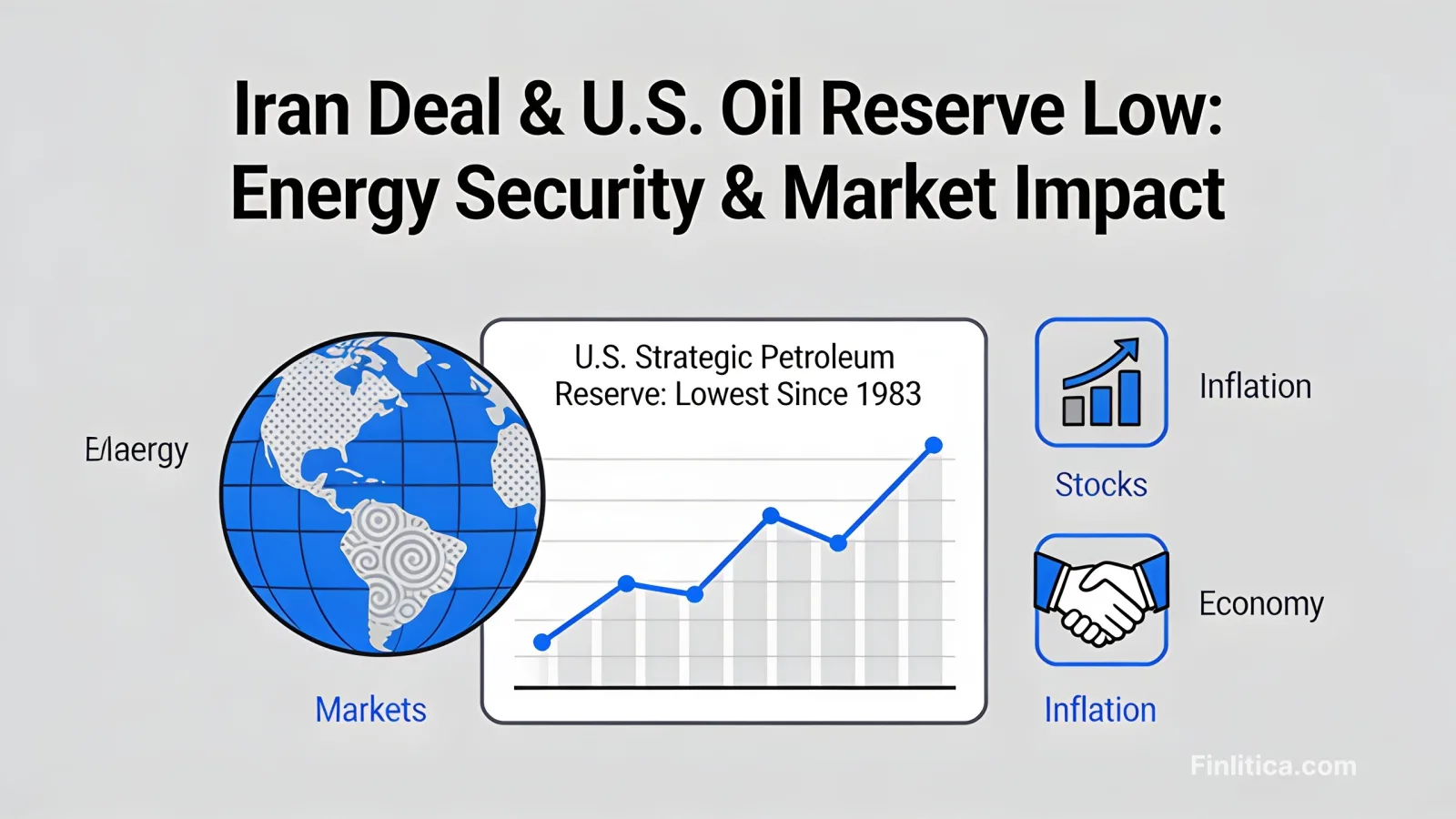
- Energy pass-through contained: While crude saw episodic spikes, the second-round effects into shipping costs and core inflation have been more muted than initially feared, reducing tail-risk pricing.
- Positioning reset: After earlier defensive tilts, portfolios have selectively re-risked into quality growth and cash-generative cyclicals, narrowing the gap between fundamentals and valuations.
Three reasons stocks are rising now
1) Earnings remain the market’s anchor
Equity pricing ultimately rides on earnings and cash flows. As companies clear the bar on revenue growth and margins, estimates for the next 12 months carry more weight in valuation models than short-lived geopolitical shocks. The fact that investors can point to multiple quarters of visibility-spanning at least 2 to 3 reporting periods-reduces the impulse to de-risk on headlines alone. That count of future quarters matters because discounted cash flow models are most sensitive to near-term revisions.
2) Inflation and interest rate expectations are stabilizing
For markets, the level and expected path of the policy rate are pivotal. Even small changes-on the order of 25 basis points-can shift equity risk premia and credit spreads. As inflation appears to be trending toward target over a multi-quarter horizon, rate volatility has eased, providing a steadier discount-rate backdrop. That stability matters because valuation multiples tend to expand when the cost of capital is predictable.
3) Energy shock has not morphed into a growth shock
Geopolitical flare-ups often hit markets via oil, shipping and insurance. So far, the transmission into broader inflation and demand has been limited, with supply rerouting and inventory buffers absorbing part of the strain. The difference between a temporary oil spike and a sustained increase-measured in months, not days-matters because only prolonged shocks typically alter central bank reaction functions and profit margins meaningfully.
Market implications
- Equity investors: A constructive backdrop favors quality balance sheets, consistent free cash flow and pricing power. Market leadership may broaden beyond a handful of mega-cap names as earnings dispersion narrows, while defensives with stable dividends can provide ballast if volatility returns.
- Credit investors: Range-bound rates and steady earnings support investment-grade carry strategies. In high yield, selective exposure to sectors with low energy input sensitivity and manageable refinancing walls over the next 12–24 months can help manage default risk.
- ETF allocators: Core broad-market ETFs remain effective beta vehicles, while factor tilts toward quality and profitability can mitigate drawdown risk. Sector ETFs tied to capital spending and automation may benefit from multi-year investment cycles, whereas energy-import-intensive themes warrant caution.
Why it matters
Markets often respond less to the presence of risk than to how that risk affects earnings, inflation and interest rates. Understanding those channels helps investors avoid overreacting to headlines and instead focus on the variables that drive long-run returns. In practical terms, three channels-profits, prices and policy-are the lens through which to assess portfolio changes.
Risks and alternative scenario
- Broader energy escalation: A sustained, multi-quarter rise in oil prices could lift headline and core inflation, compress margins and delay monetary easing, pressuring both equity multiples and credit spreads.
- Sticky inflation surprise: If monthly price data re-accelerate, even by a few tenths of a percentage point, markets may reprice to fewer or later rate cuts, raising discount rates and challenging high-duration equities.
- Earnings downgrades: Negative revisions concentrated in economically sensitive sectors could widen dispersion and revive narrow leadership, increasing portfolio concentration risk.
- Liquidity and volatility spikes: A volatility regime shift-commonly signaled when fear gauges sustain readings above historically watched thresholds-can mechanically tighten financial conditions and amplify drawdowns.
Practical positioning checklist
- Stress-test portfolios for a 25–50 bps parallel shift in rates and a temporary risk premium shock to equity valuations.
- Prioritize companies and funds with clear 12–18 month cash flow visibility and moderate leverage.
- Balance cyclical exposure with defensives that historically sustain margins when input costs rise.
FAQ
Are markets ignoring geopolitics?
No. Markets are weighing probabilities and transmission channels. Unless events alter earnings, inflation or the rate path in a durable way, the pricing impact tends to be limited.
What could change the trend quickly?
A persistent energy shock or a string of hotter-than-expected inflation prints could reset rate expectations and compress equity multiples.
Is diversification still effective?
Yes. A balanced mix of equities and bonds can help, especially if growth slows while inflation normalizes. For many investors, a diversified core-often approximated by a 60/40 split-remains a useful starting point, adjusted for risk tolerance and horizon.
Where do ETFs fit?
Core market ETFs provide efficient exposure, while factor and sector ETFs allow investors to tilt toward quality, profitability or specific investment themes without taking excessive single-name risk.
Sources & Verification
-
View sourceCNBC Top Newswww.cnbc.com