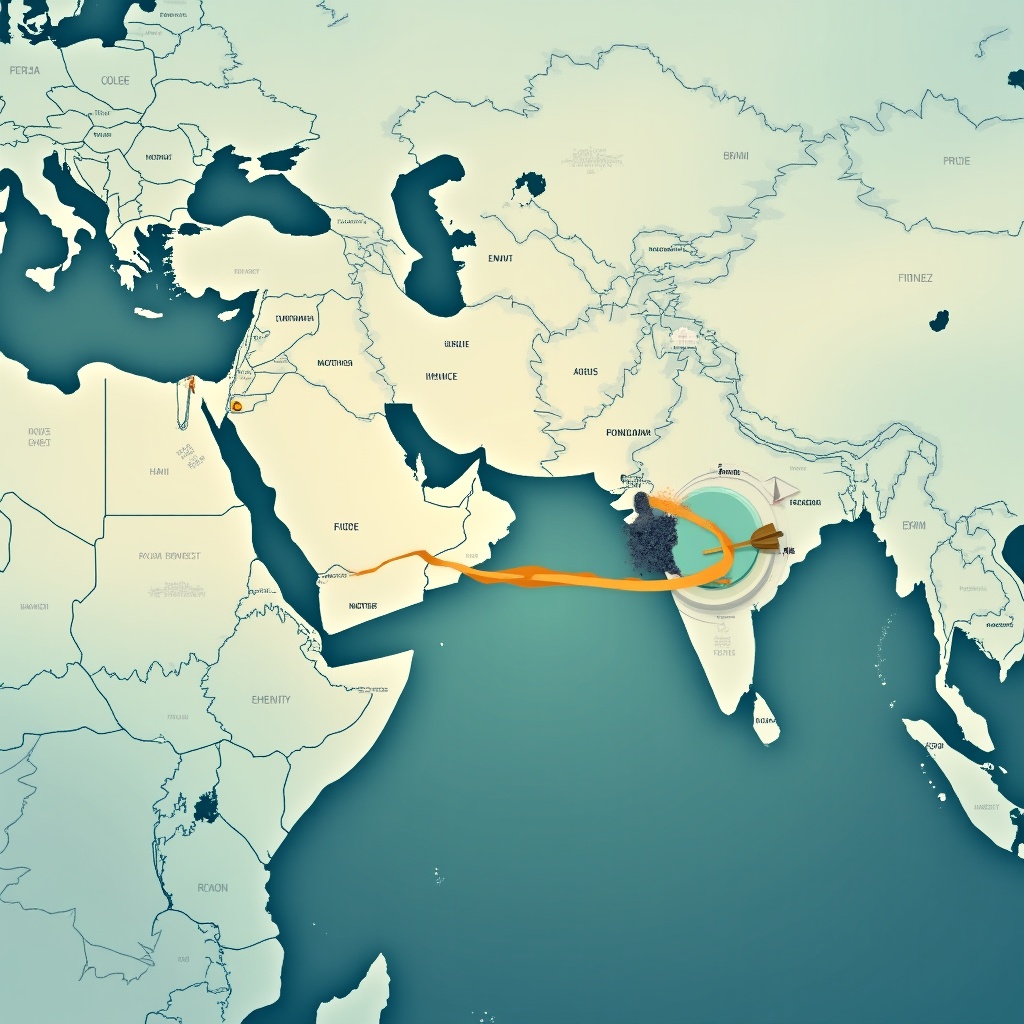
Fertilizer Route Disruptions Near Iran Put Fresh Pressure on Global Food Prices
Tensions near the Strait of Hormuz are interrupting fertilizer shipments and raising the risk of higher food inflation as growers face tighter supplies and elevated costs.
Disruptions to fertilizer shipments near the Strait of Hormuz are rippling through agricultural supply chains, heightening the risk of higher food prices at a time when many economies are still contending with sticky inflation. Traders and logistics firms are reporting delays and rerouting activity as conflict in the region complicates transit through one of the world’s most critical maritime corridors.
The latest tension is injecting new uncertainty into global markets ahead of key planting windows in several regions. Fertilizers and their inputs move in significant volumes through the Gulf, and even brief interruptions can lift costs that ultimately filter into crop production and supermarket shelves.
What’s happening
Maritime risk around the Strait of Hormuz has intensified, prompting some shippers to adjust schedules, explore alternative routes, or pause sailings while risk assessments are updated. Market participants say that transit insurance has become more expensive for certain voyages, adding to freight costs for bulk materials such as nitrogen-based products and other fertilizer components.
While the duration and scale of the disruption remain uncertain, the mere possibility of constrained throughput is enough to tighten available supply. Inventory buffers can offset shortfalls for a time, but persistent delays tend to push buyers to cover needs sooner and at higher prices.
Why food prices could rise
Fertilizer is a core input in global agriculture, and price swings can quickly influence planting decisions and yields. When supply chains are stressed, procurement costs climb for farmers, co-ops, and distributors, and those increases often flow through to commodity prices and retail food costs.
- Higher shipping and insurance costs raise delivered fertilizer prices.
- Uncertainty encourages precautionary buying, amplifying price volatility.
- Extended delays can force substitutions to less optimal nutrient mixes, potentially affecting yields.
- Emerging markets that rely more heavily on imports are especially vulnerable to sudden price moves.
Market reaction and the policy backdrop
Commodities traders are monitoring the situation closely, with agricultural inputs and related shipping costs under scrutiny. For central banks focused on bringing inflation back to target, any renewed acceleration in food prices could complicate the policy path, particularly in regions where food carries a large weight in consumer price baskets.
For equity investors, the episode is likely to refocus attention on input-sensitive sectors. Agricultural producers, farm equipment makers, and food manufacturers may see margin pressure if input costs rise faster than they can be passed through. Conversely, producers of fertilizers and firms with advantaged logistics or diversified sourcing could benefit from tighter markets, though outcomes will depend on the length and severity of disruptions.
Possible industry responses
Companies across the supply chain are deploying familiar playbooks to manage risk. These measures can dampen price spikes but may not fully offset them if disruptions persist.
- Inventory management: Drawing down stocks while seeking forward coverage in case delays extend.
- Route diversification: Using alternative load ports or longer sea lanes to avoid elevated-risk zones.
- Hedging: Increasing use of derivatives to lock in prices for key nutrients and freight.
- Supplier diversification: Expanding sourcing beyond the Gulf where feasible, including from domestic or regional producers.
Implications for farmers and consumers
Farmers planning spring and summer applications are sensitive to both price and availability. A higher delivered cost of nitrogen, phosphates, or potash can shift crop economics at the margin, alter fertilizer blends, or delay applications—choices that can influence yields later in the season. Local conditions will vary, but uncertainty alone tends to push procurement earlier and at higher prices.
For consumers, the timing effects mean that any impact on grocery bills typically lags fertilizer disruptions by months. Staples with short supply chains or limited processing may feel the effects sooner, while packaged foods with diversified inputs and longer contracts may adjust more gradually.
What to watch next
Several indicators can help gauge whether the current stress will translate into sustained price pressure:
- Shipping flows: Vessel traffic and wait times near the Strait of Hormuz and alternative routes.
- Freight and insurance: Movements in war-risk premiums and bulk carrier day rates.
- Fertilizer benchmarks: Prices for key products and regional differentials versus historical norms.
- Government actions: Any export controls, waivers, or logistical support measures in major producing or consuming nations.
Why it matters
Food costs are a critical driver of headline inflation and household budgets. Fresh pressure on fertilizer supply raises the risk of higher crop input costs, potentially feeding back into consumer prices and complicating monetary policy decisions. For markets, renewed food price volatility can influence risk sentiment, sector earnings, and capital allocation across agriculture, transportation, and consumer staples.
Frequently asked questions
How does the Strait of Hormuz affect fertilizer supply?
The strait is a key maritime chokepoint for energy and chemical shipments, including fertilizer and its inputs. Disruptions can delay deliveries, tighten regional supply, and lift costs through higher freight and insurance premiums.
Will this immediately push food prices higher?
Not necessarily. Existing inventories and contracts can cushion short-term shocks. However, if disruptions persist, higher input costs may work their way into crop production and, over time, retail food prices.
Which regions are most exposed?
Countries and farming regions that rely heavily on imported fertilizers from Gulf-linked routes are more exposed to shipping delays and price spikes. Exposure varies by product type and local sourcing options.
Can producers offset the disruption?
To a degree. Alternative sourcing, route changes, and hedging can mitigate effects. Still, sustained logistical stress typically results in higher delivered costs and tighter availability.
What does this mean for investors?
Rising input costs can pressure margins in agriculture and food manufacturing, while fertilizer producers and logistics firms with diversified routes may see relative advantages. The broader market impact will depend on the scale and duration of the disruption and how it affects inflation expectations and interest-rate trajectories.
Sources & Verification
-
View sourceCNBC Top Newswww.cnbc.com